South African road freight operators are facing renewed cost pressure as the government ends its two-month suspension of fuel taxes (R3.00 per litre for petrol and R3.93 for diesel), which were introduced to cushion the impact of global oil price spikes.
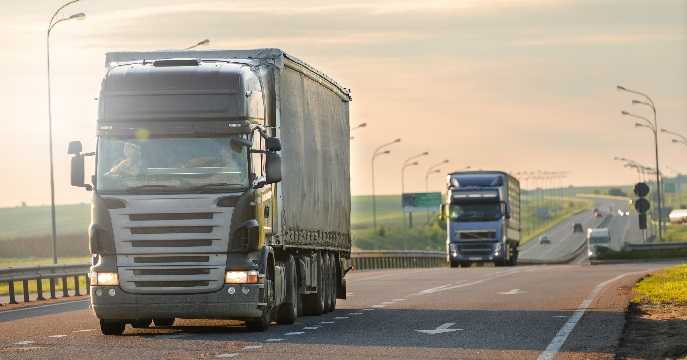
As of 3 June, 50% of this relief has been added back to prices, with inland wholesale diesel (0.005% wholesale) reaching R29.26 per litre, before the full levy is restored in July.
As global oil prices remain volatile, oil could reach more than $120 per barrel this year, sharply increasing logistics costs, with experts predicting even higher prices as reserves dwindle. For many fleets, diesel now accounts for 35–55% of operating costs, meaning even modest efficiency gains can have a material impact on margins.
Here’s how fleets can use driver behaviour data, smarter routing and disciplined maintenance to curb fuel consumption and reduce costs:
- Coach smoother driving
Use video and telematics data to identify smoother driving habits and avoid harsh braking, aggressive acceleration and excessive idling. In addition to these, provide targeted coaching to reduce fuel‑wasting behaviours.
Open conversations with drivers also allow fleet managers to proactively address issues and misconceptions. For example, many drivers believe idling is more fuel‑efficient than restarting the engine when in fact idling a truck for just a few seconds can consume more fuel than switching the engine off and on again.
- Optimise routes in real time
Static route plans drawn up at the start of the shift rarely survive real-world conditions. Roadworks, incidents, peak-hour congestion and weather disruptions can turn an optimised route into a fuel-burning detour within minutes. Dynamic route planning addresses this by combining live traffic data, telematics inputs and vehicle-specific parameters to continually re-evaluate the best path between stops as conditions change. For fleet operators, this translates into four practical outputs:
- Real-time re-routing around congestion and incidents, so drivers aren't sitting idling in traffic. Every minute of idling in a heavy commercial vehicle consumes meaningful fuel.
- Vehicle-appropriate routing - height, weight and load restrictions factored so drivers aren't sent down unsuitable roads or forced into costly diversions and reversals.
- Multi-stop optimisation for distribution fleets, where the drop sequence is continually recalculated to minimise total kilometres and unproductive backtracking.
- Route deviation alerts, which flag when a driver leaves the planned route, allowing dispatchers to intervene before a small detour becomes an expensive one.
- Stay on top of vehicle maintenance
Maintain correct tyre pressure, wheel alignment and engine performance to prevent unnecessary fuel loss on every trip.
Factors such as tyre pressure, wheel alignment, engine condition and battery performance can cause trucks to burn significantly more fuel, particularly on long‑haul routes. Regular maintenance not only extends the longevity of a fleet but also helps to control fuel costs and identify potential issues before they develop into costly repairs or operational disruptions.
Predictive maintenance solutions can help identify potential issues early, enabling proactive intervention before they impact fuel efficiency or vehicle performance
- Clamp down on unauthorised trips and overloading
In a high‑cost environment, unauthorised trips, route deviations and overloading can erode margins by pushing up fuel consumption and accelerating wear and tear.
Video and telematics data can help fleet and risk managers detect route deviations, monitor loading practices and ensure vehicles are operating within recommended limits, reducing both fuel burn and compliance risk.
Jacques Greeff, Chief Operational Officer at Optix