
The outcome of the United States midterm elections has opened a fresh opportunity for South Africa to avert its impending exclusion from the African Growth and Opportunity Act (AGOA), says Exporters Western Cape chairman Terry Gale.
He called for an urgent senior diplomatic and trade mission to Washington before the exclusion takes effect on 1 January 2027.
“The stunning Republican defeat in the United States midterm elections has changed the political landscape in Washington. For South Africa, it creates an opportunity to mount an urgent diplomatic effort to avert its exclusion from AGOA,” said Gale.
On Monday, 2 November, the Trump administration announced its intention to terminate South Africa’s AGOA eligibility with effect from 1 January 2027, following 60 days’ advance notice.
“This is a serious threat to affected exporters and workers, but the exclusion has not yet taken effect. South Africa should use the remaining period to pursue every credible avenue for reconsideration,” he said.
With Democrats having won both the House of Representatives and the Senate, Gale said the administration would face a substantially different Congress. The Republican losses represented a major political setback for President Trump, but did not remove him from office or automatically invalidate his administration’s trade decisions.
He warned that the timing required immediate action.
“The incoming Congress takes office on 3 January 2027, while South Africa’s exclusion is scheduled for 1 January. Preventing an interruption in benefits therefore requires action before the new congressional majorities assume office. Waiting for January would be a serious strategic mistake.”
Gale said the proposed mission should carry a clear presidential mandate and be supported by credible representatives of business, organised labour and the Government of National Unity.
It should engage the White House, the US Trade Representative, the State Department, congressional leaders from both parties and American businesses with a direct interest in the relationship.
“That mission must arrive with practical proposals. Washington has cited trade and investment barriers, corruption, and national security and foreign policy concerns,” he said.
“South Africa should seek precise, measurable requirements for continued eligibility, address substantiated concerns within its constitutional framework, and demonstrate how preserving the relationship serves American as well as South African interests.”
Gale identified three realistic scenarios, starting with a negotiated reconsideration before January. An agreement addressing specific concerns could allow the administration to withdraw its intended exclusion, with congressional and business advocacy helping to create the political conditions for that outcome.
The second was a congressional effort to protect or restore South Africa’s access through legislation.
“Democratic control creates an opportunity to pursue this, but success would require more than sympathetic statements. Legislation would face Senate procedural hurdles and would ordinarily require the President’s signature, or sufficient support to override a veto. Republican allies would therefore remain essential,” he said.
The third was that exclusion proceeded despite these efforts.
“South Africa must simultaneously prepare targeted support for exposed industries, diversify export markets and continue pursuing a route back into the programme. Diplomatic optimism must be accompanied by economic preparation.”
On suggestions that Trump might resign in the coming days, Gale said the extent of the outcome would become clearer once calmer heads prevailed in Washington. However, Trump was unlikely to back off from the aggressive use of his presidential veto.
“The more realistic working assumption is that he remains in office and faces a more confrontational Congress,” he said.
A resignation would bring the Vice President into office without automatically reversing the AGOA decision, although Gale said a different set of priorities could work in South Africa’s favour.
“South Africa’s strategy must therefore be built around the institutions and decision-makers that exist. The election has opened a political opportunity. Whether that opportunity protects South African jobs will depend on the speed, credibility and substance of our diplomatic response.”
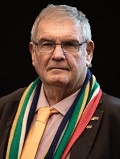
Terry Gale, Chairman, Exporters Western Cape