Most supply chain delays are blamed on processes carried out at the border. Many are created long before cargo even physically starts moving.
In modern trade, speed is determined by the quality of information submitted into the SARS clearing system. By the time cargo arrives at the border, customs authorities are often confirming a risk that already exists in the declaration.
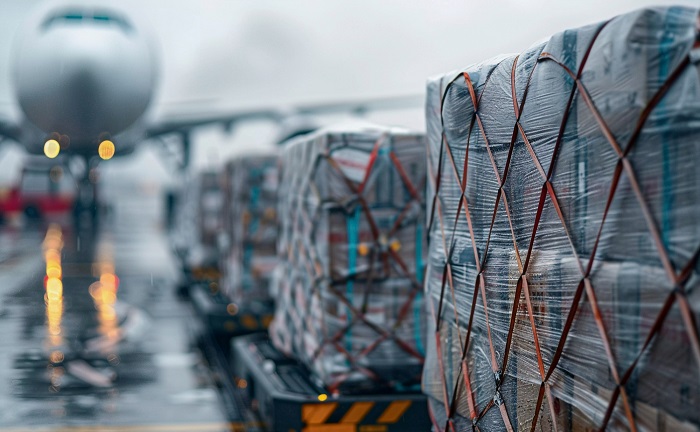
That reality is particularly evident in Gauteng’s high-pressure air freight environment, where time-sensitive cargo depends on rapid clearance and minimal disruption.
In our business, speed is critical. A large percentage of Gauteng cargo moves by air freight, and air freight exists for one reason only: urgency. If documentation is incorrect or incomplete, you’ve already lost valuable time before customs even sees the shipment.
As customs authorities globally move toward intelligence-led enforcement, the role of compliance is also changing. In South Africa, the South African Revenue Service (SARS) increasingly relies on data validation, risk profiling, and post-clearance audits to assess traders’ compliance over time rather than evaluating transactions in isolation.
Compliance is no longer a once-off activity at submission. It’s continuous. SARS assesses the consistency and credibility of trader information across the supply chain, not just the transaction in front of them. SARS has also been using data and enforcement tools far more effectively in recent years, largely due to its modernisation effort over the last couple of years. The digitalisation of the customs registration and licensing platform and synchronisation of legal entity tax types on SARS eFiling are just a few examples evident to traders.
For importers and exporters, this creates a new operational reality: customs performance is now directly tied to internal business discipline. The quality of client instructions, commercial invoices, tariff classifications, and supporting records has a direct impact on how quickly cargo clears.
This is where specialised customs capability becomes commercially strategic. If your organisation imports or exports, customs compliance is non-negotiable. Your compliance should be proactively managed where you are in control as opposed to reacting to SARS’ intervention.
At BIL, the team continuously monitors regulatory developments, tariff amendments from the International Trade Administration Commission (ITAC), and evolving SARS procedural requirements, translating complex regulatory shifts into practical operational guidance for clients and internal teams.
Our role is not simply to interpret regulations. It’s to anticipate risk and avoid compliance failures before they become operational problems.
That proactive approach extends beyond transactional clearing. BIL works closely with clients to improve their understanding of customs requirements, documentation standards, and regulatory obligations through structured onboarding, advisory support, and training initiatives.
We can only work from the information provided to us. When clients understand what the regulatory authorities require from the start, customs clearing becomes significantly more predictable and efficient.
In an industry where every delay has a cost, accuracy remains one of the most powerful drivers of performance. By laying the right foundations from the start, businesses can reduce friction, improve visibility and move goods faster, proving that in global trade, speed begins with precision.

Andre Gerber, Head of Customs Research, Legal and Training, BIL